
One of the important aspects of black women and their hats began with the scriptures. In I Corinthians 11:
1-6 NLT, we received instructions for public worship. It reads as follows:
1 And you should imitate me, just as I imitate Christ. 2 I am so glad that you always keep me in your thoughts, and that you are following the teachings I passed on to you. 3 But there is one thing I want you to know: The head of every man is Christ, the head of woman is man, and the head of Christ is God. 4 A man dishonors his head if he covers his head while praying or prophesying. 5 But a woman dishonors her head if she prays or prophesies without a covering on her head, for this is the same as shaving her head. 6 Yes, if she refuses to wear a head covering, she should cut off all her hair! But since it is shameful for a woman to have her hair cut or her head shaved, she should wear a covering.
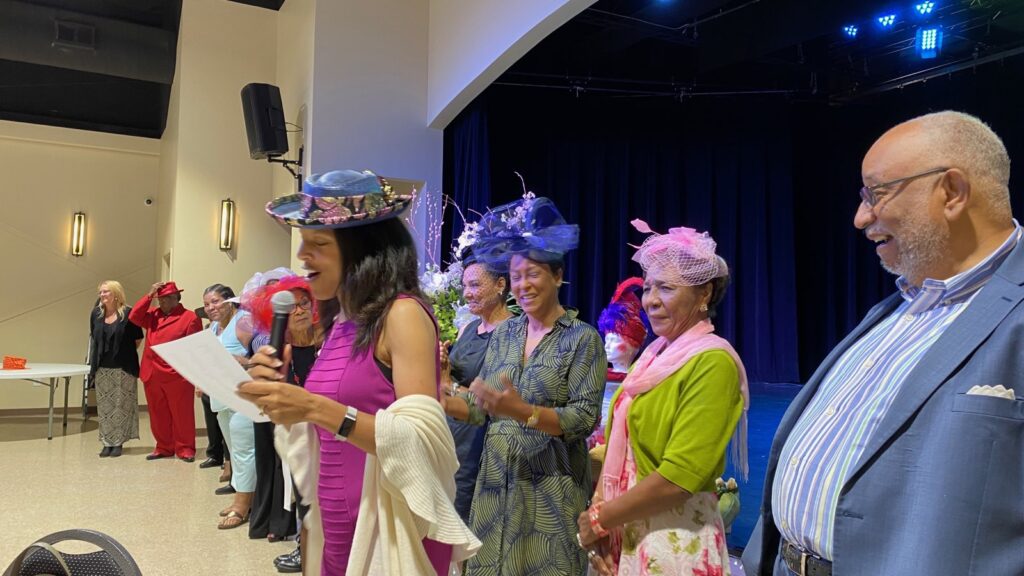
For African Americans, God’s house was a sanctuary of hope and salvation. It was one of the few places where we were allowed to hold positions of leadership. Sunday was the day of worship and celebration. African American women would trade in their drab aprons and knotted head wraps for brightly colored dresses and straw hats decorated with fresh flowers, ribbons, and feathers. These beautifully adorned hats were designed to “catch God’s eye” in hopes, He would hear their prayers.

In addition to instilling pride and confidence, the hats remind the wearers to carry themselves like queens. Culturally, church hats became a strong symbol of the ability to triumph over hardships. Worn with the head held high, African American women strut with “hattitude” while sporting these crowns. Hats eventually evolved into an important status symbol. Most church-going African American women own at least one formal hat. It is not unusual for devout crown wearers to have one hat for each of their church dresses or suits.
In keeping with hat etiquette, one should not wear a hat that is wider than the shoulders or darker than the color of the shoes and never borrow or touch someone else’s hat. Treasured pieces are often passed on to daughters and granddaughters. While the hat should be the focal point, it must not compete with the matching outfit, jewelry or accessories, such as pocketbooks and gloves.
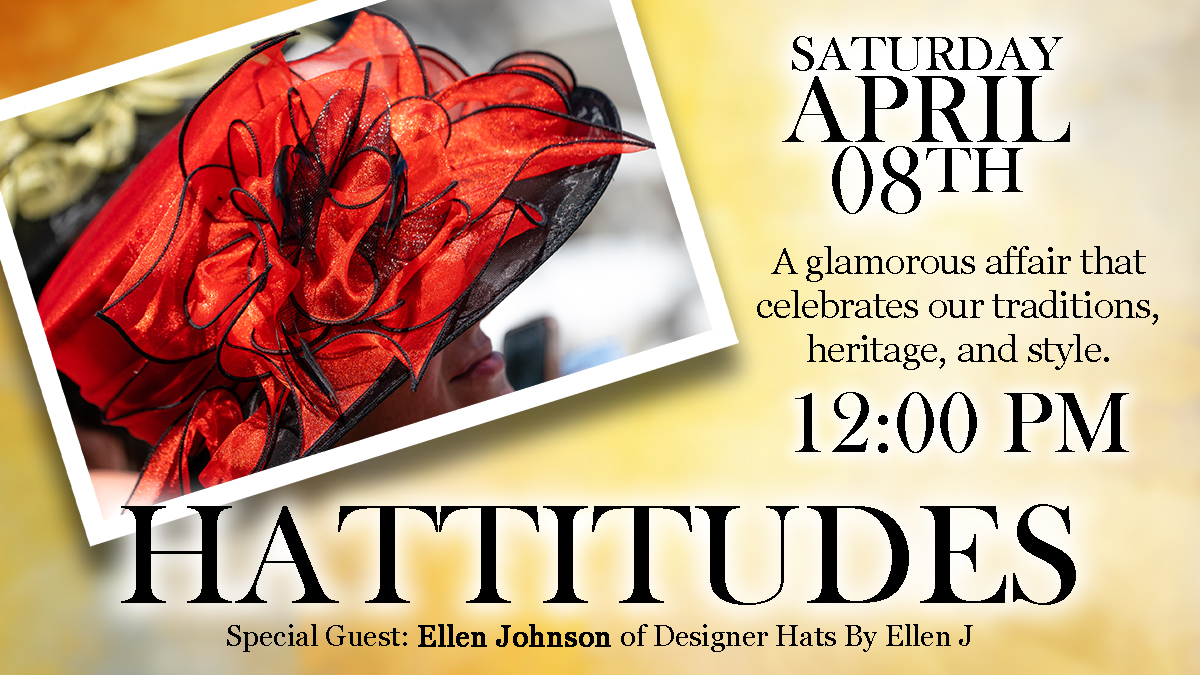
The George Washington Carver Community Enrichment Center will host its Annual “Hattitudes”
Program on Saturday, April 8, 2023. For additional information, don’t hesitate to contact Betty Foust at 336-267- 5420.
Excerpts from “History of Black Women Wearing Hats at Church”, Nicole Kidder, 29 SEP 2017
HATTITUDES Tickets
Buy now